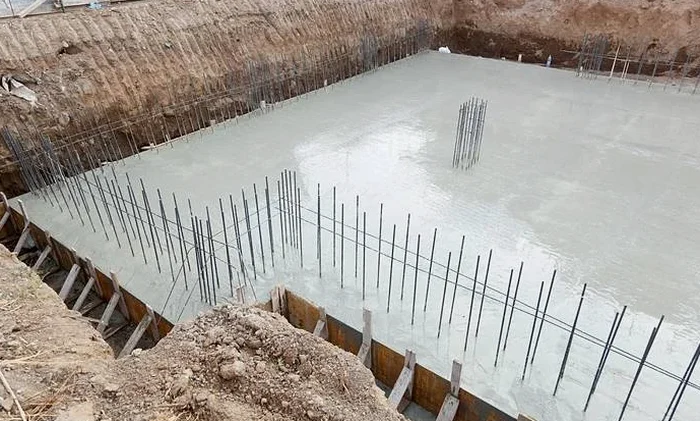
Foundation engineering in Fargo, North Dakota, represents one of the most critical disciplines in regional construction, encompassing the design, analysis, and installation of structural support systems that transfer building loads to the underlying earth. This category covers everything from shallow spread footings and mat foundations to deep systems like driven piles and drilled shafts, each selected based on soil conditions, structural demands, and long-term performance requirements. In Fargo, where the climate and geology create unique challenges, proper foundation design is not merely a structural consideration but a fundamental necessity for protecting investments against frost heave, expansive soils, and seasonal groundwater fluctuations. Homeowners, commercial developers, and infrastructure planners alike depend on geotechnical expertise to navigate these conditions and ensure structures remain stable for decades.
The geological setting of Fargo is dominated by the Red River Valley, a flat lacustrine plain underlain by thick sequences of glacial Lake Agassiz sediments. These deposits consist predominantly of fat clays and silty clays with high plasticity, which are notorious for their shrink-swell behavior and low bearing capacity. The region experiences deep frost penetration, routinely reaching four to six feet below grade during harsh winters, making frost protection a central concern for any foundation design. Additionally, the shallow groundwater table and poor drainage characteristics of the clay-rich soils complicate excavation and require careful dewatering and waterproofing strategies. Without specialized geotechnical investigation, builders risk differential settlement, cracking, and even structural failure as the expansive clays respond to seasonal moisture changes.
Foundation projects in Fargo must comply with the North Dakota State Building Code, which adopts the International Building Code (IBC) with local amendments, alongside standards from the American Society of Civil Engineers (ASCE) and the American Concrete Institute (ACI). Geotechnical investigations are mandated to follow ASTM D1586 for standard penetration testing and ASTM D2487 for soil classification, ensuring consistent data for foundation design. For deep foundations, such as pile foundation design, engineers reference the FHWA Driven Pile Design manuals and perform capacity verification through dynamic testing or static load tests. Local municipalities also enforce specific frost depth requirements and may require special inspections during foundation installation to verify compliance with approved plans and geotechnical recommendations.
Residential construction in Fargo frequently demands engineered foundations for new homes, additions, and garage builds, particularly where basement excavations encounter problematic clays or high groundwater. Commercial and institutional projects, including schools, healthcare facilities, and retail centers, require robust foundation systems capable of supporting heavier structural loads while mitigating settlement risks. Infrastructure works such as bridge abutments, retaining walls, and water treatment plants rely heavily on deep foundation solutions where surficial soils lack adequate strength. Even smaller-scale projects like decks, solar array mounts, and light poles benefit from geotechnical input to prevent frost jacking and ensure long-term stability. Each project type underscores the necessity of tailoring foundation approaches to site-specific conditions rather than applying generic solutions.
Fargo's glacial Lake Agassiz clays present high plasticity and shrink-swell potential, leading to differential settlement and frost heave. Deep frost penetration up to six feet and shallow groundwater complicate excavations and require robust waterproofing. Proper geotechnical investigation is essential to identify bearing capacity limitations and design foundations that mitigate these seasonal soil movements.
Local building codes in Fargo typically require foundations to extend a minimum of four to six feet below finished grade to reach below the frost line, depending on exposure and soil type. Footings must bear on undisturbed, frost-free soil, and perimeter insulation or frost-protected shallow foundation techniques may be approved as alternatives when engineered appropriately.
Deep foundations become necessary when near-surface soils lack adequate bearing capacity, such as in areas with thick organic deposits, very soft clays, or high groundwater. Structures with heavy column loads, bridge abutments, and projects requiring resistance to uplift or lateral forces also commonly require driven piles or drilled shafts to transfer loads to deeper, competent strata.
Standard practice includes soil borings with Standard Penetration Testing per ASTM D1586 to evaluate soil stratigraphy and strength, laboratory classification per ASTM D2487, and Atterberg limits testing to assess plasticity. Groundwater monitoring, consolidation tests for settlement analysis, and sometimes cone penetration testing supplement the investigation to inform foundation type selection and design parameters.