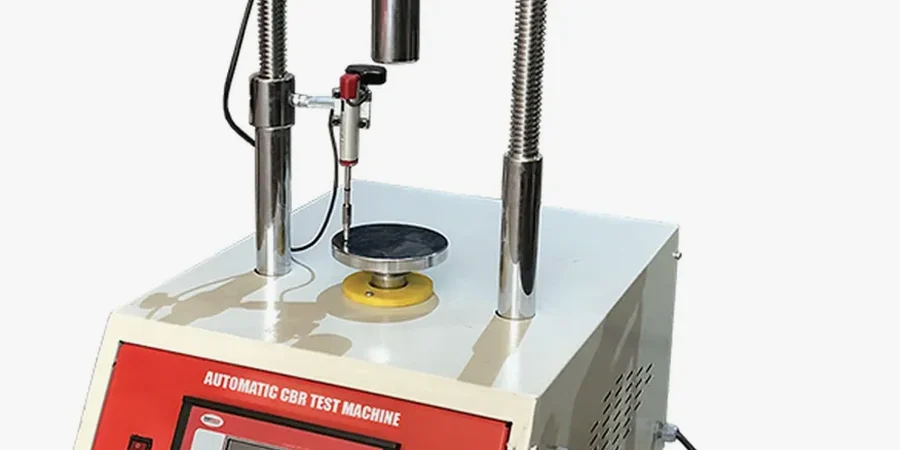
Most people don't think about what's under the asphalt until it fails. In Fargo, the silty clays of the Red River Valley punish poorly designed pavements within two or three freeze-thaw cycles. We see it every spring. The CBR test isn't just a number on a report; it's the difference between a parking lot that lasts fifteen years and one that needs a $40,000 overlay after five. Our lab runs both soaked and unsoaked CBR values because Fargo subgrades sit near saturation from November through April. Punching through that soft layer requires knowing exactly how weak it gets. For road jobs outside the city, we often pair this data with in-situ permeability findings to understand drainage behavior before setting structural numbers. Contractors who skip the lab soak get optimistic values that don't survive a Fargo winter.
A CBR of 3 means you need twice the base thickness of a CBR of 8. That difference is thousands of dollars in aggregate per mile of roadway.